
The eBooks we sell are sold as a single-user licence and are intended for the end user only.
The sale of some eBooks are restricted to certain countries. To alert you to such restrictions, please select the country of the billing address of your credit or debit card you wish to use for payment.
For further information see https://www.wildy.com/ebook-formats
Once the order is confirmed an e-mail will be sent to you to allow you to download the eBook. For UK purchases this will be automatic. For purchases outside the UK a member of staff will need to confirm the sale. (Staff are available to do this during normal business hours, Mon-Fri 8:30-17:00 UK time)
All eBooks are supplied firm sale and cannot be returned. If you believe there is a fault with your eBook then contact us on ebooks@wildy.com and we will help in resolving the issue. This does not affect your statutory rights.
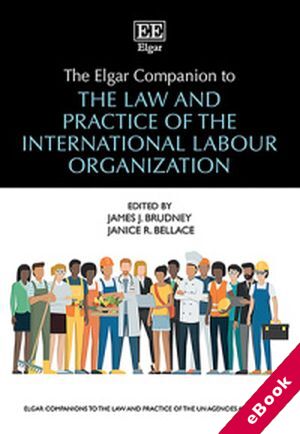
This comprehensive book analyses the laws and practices of the International Labour Organization (ILO), addressing the distinctive role of tripartism within the ILO governance structure since 1919, and analysing the organization’s contributions to the protection and promotion of workers’ rights on a global scale.
Contributors explore a breadth of issues crucial to the ILO’s objective of achieving decent work in collaboration with governments, workers and employers. Topics covered include application of the ILO’s ‘fundamental principles’ covering freedom of association, equality, safety and health, and the prevention of forced labour and child labour. In addition, the book addresses provision of social security benefits, the development of effective employment policies, the implementation of functional labour inspection and the recognition of indigenous peoples’ voices. Chapters also present a granular analysis of the ILO supervisory system, outlining the value and limits of the organization’s soft power. The Companion envisions the ILO’s future, highlighting the obstacles that prevent secure worker rights and protections in both the informal and digital economies, as well as the impact of ILO conventions on trade agreements.
The Elgar Companion to the Law and Practice of the International Labour Organization is an essential resource for legal scholars and students, particularly those interested in labour and human rights. Practitioners working within labour unions, NGOs and other human rights fields will also find the book’s theoretical and practical insights to be highly relevant.











