
The eBooks we sell are sold as a single-user licence and are intended for the end user only.
The sale of some eBooks are restricted to certain countries. To alert you to such restrictions, please select the country of the billing address of your credit or debit card you wish to use for payment.
For further information see https://www.wildy.com/ebook-formats
Once the order is confirmed an e-mail will be sent to you to allow you to download the eBook. For UK purchases this will be automatic. For purchases outside the UK a member of staff will need to confirm the sale. (Staff are available to do this during normal business hours, Mon-Fri 8:30-17:00 UK time)
All eBooks are supplied firm sale and cannot be returned. If you believe there is a fault with your eBook then contact us on ebooks@wildy.com and we will help in resolving the issue. This does not affect your statutory rights.
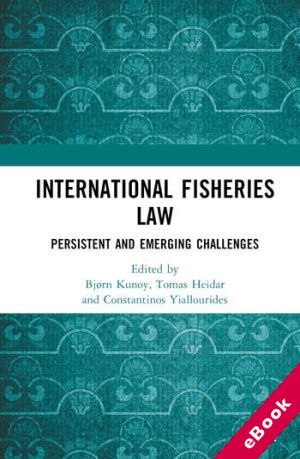
Offering a practical exploration of persistent and new challenges relating to contemporary international fisheries law, this book examines emerging and unresolved issues in international fisheries law.
Covering a wide range of international legal aspects related to fisheries governance, it offers practical perspectives that go beyond the existing debates in this field. An expert team of contributors offer a comprehensive study of current challenges in fisheries governance, institutional law frameworks, procedural aspects and trade and enforcement issues. The book enriches fisheries law scholarship, outlining the capacity of international law to address challenges in international fisheries law and policy, highlighting the critical importance of fisheries to many States, coastal communities, and economies globally.
The book’s chapters have been meticulously selected, focusing on policy and practical considerations. The result is a comprehensive edited collection covering the main persistent challenges in international fisheries law, making it an essential reading for all those interested in the conservation, integrated management, and sustainable use of living resources globally.










