The eBooks we sell are sold as a single-user licence and are intended for the end user only.
The sale of some eBooks are restricted to certain countries. To alert you to such restrictions, please select the country of the billing address of your credit or debit card you wish to use for payment.
For further information see https://www.wildy.com/ebook-formats
Once the order is confirmed an e-mail will be sent to you to allow you to download the eBook. For UK purchases this will be automatic. For purchases outside the UK a member of staff will need to confirm the sale. (Staff are available to do this during normal business hours, Mon-Fri 8:30-17:00 UK time)
All eBooks are supplied firm sale and cannot be returned. If you believe there is a fault with your eBook then contact us on ebooks@wildy.com and we will help in resolving the issue. This does not affect your statutory rights.
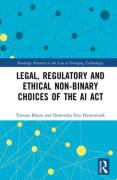
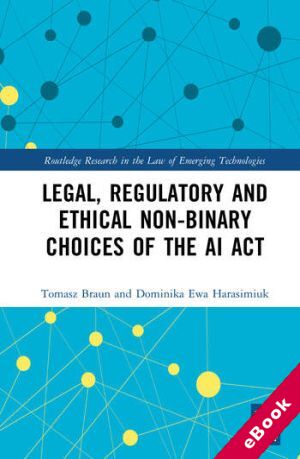
This book investigates the complex ethical dilemmas underpinning AI regulation, analysing the EU Artificial Intelligence Act in the context of the fundamental values and ambitious expectations that have accompanied it initially.
This book posits a pioneering regulatory framework to ensure the ethical development and equitable deployment of AI technologies for societal benefit. The expanding integration of AI and its deepening interaction with humans raise profound ethical dilemmas. As legislators endeavour to address these rapid developments and ensure AI serves the public good and does not cause harm, this book discusses the ethical complexities which pose a significant challenge for the EU and beyond. The book posits the discussion on AI regulation in a broader global background, and refers to human agency, trustworthiness, risks classifications, the attribution of liability for deficiencies arising from its improper implementation and other problems the AI-based systems may cause. Additionally, it seeks to familiarise the reader with the AI Act and critically expands on the burdens the new law may impose on subjects.
This book will be of interest to researchers, policymakers, students, and practitioners with an interest in the legal and ethical dimensions of technology law, governance, EU law and Artificial Intelligence.