
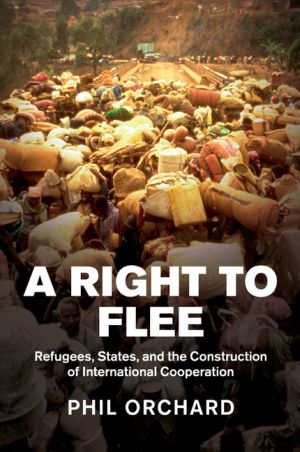
Why do states protect refugees? In the past twenty years, states have sought to limit access to asylum by increasing their border controls and introducing extraterritorial controls. Yet no state has sought to exit the 1951 Refugee Convention or the broader international refugee regime.
This book argues that such international policy shifts represent an ongoing process whereby refugee protection is shaped and redefined by states and other actors. Since the seventeenth century, a mix of collective interests and basic normative understandings held by states created a space for refugees to be separate from other migrants.
However, ongoing crisis events undermine these understandings and provide opportunities to reshape how refugees are understood, how they should be protected, and whether protection is a state or multilateral responsibility.
Drawing on extensive archival and secondary materials, Phil Orchard examines the interplay among governments, individuals, and international organizations that has shaped how refugees are understood today.










