
The eBooks we sell are sold as a single-user licence and are intended for the end user only.
The sale of some eBooks are restricted to certain countries. To alert you to such restrictions, please select the country of the billing address of your credit or debit card you wish to use for payment.
For further information see https://www.wildy.com/ebook-formats
Once the order is confirmed an e-mail will be sent to you to allow you to download the eBook. For UK purchases this will be automatic. For purchases outside the UK a member of staff will need to confirm the sale. (Staff are available to do this during normal business hours, Mon-Fri 8:30-17:00 UK time)
All eBooks are supplied firm sale and cannot be returned. If you believe there is a fault with your eBook then contact us on ebooks@wildy.com and we will help in resolving the issue. This does not affect your statutory rights.
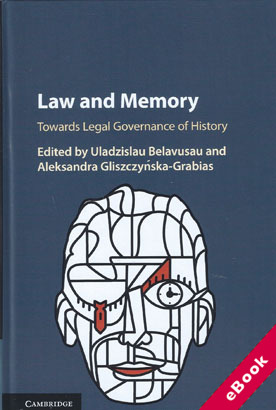
Legal governance of memory has played a central role in establishing hegemony of monumental history, and has forged national identities and integration processes in Europe and beyond.
In this book, a range of contributors explore both the nature and role of legal engagement into historical memory in specific jurisdictions and cases. They also reflect on potential conflicts between legal governance, political pluralism, and fundamental rights, such as freedom of expression.
In recent years, there have been numerous monumental commemoration practices and memory-laws about correlated events all over the world, and this is a prime opportunity to undertake an important global comparative scrutiny of memory laws.
Against the background of mass re-writing of history in different parts of the world, this book revisits a fascinating subject of memory laws from the standpoint of comparative law and transitional justice.










