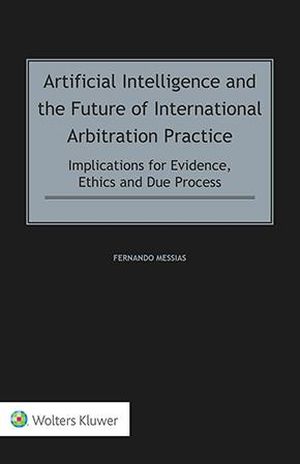
Artificial Intelligence and the Future of International Arbitration Practice is a profound work, in an authoritative and practitioner-oriented analysis of the integration of artificial intelligence into international arbitration, which examines how AI systems reshape evidentiary processes, influence adjudicative reasoning, and challenge foundational principles of procedural fairness, transparency and arbitral legitimacy.
What’s in this book:
Adopting an interdisciplinary methodology that combines doctrinal analysis, conceptual clarification, comparative regulation and institutional mapping, the author advances a normative framework for the responsible governance of AI in arbitration. Among the many issues arising in the process are the following:
The book’s scope encompasses a comprehensive examination of the regulatory framework governing the use of AI in arbitration, including the CIArb Guidelines, the EU Artificial Intelligence Act, UNCITRAL developments, and institutional initiatives. Supplementary materials include a glossary of AI and arbitration terms, case summaries and emerging jurisprudence, and institutional guideline materials.
How this will help you:
The transformations examined in this book are already reshaping the way tribunals manage large evidentiary records, rely on AI-assisted summaries, interact with algorithmically mediated procedural infrastructures, and confront emerging questions of technological asymmetry, transparency and accountability. This invaluable book provides a rich practical resource enabling arbitrators and counsel to engage in these processes in a way that recognises ethical risks and aligns AI use with emerging professional standards and regulatory expectations.