The eBooks we sell are sold as a single-user licence and are intended for the end user only.
The sale of some eBooks are restricted to certain countries. To alert you to such restrictions, please select the country of the billing address of your credit or debit card you wish to use for payment.
For further information see https://www.wildy.com/ebook-formats
Once the order is confirmed an e-mail will be sent to you to allow you to download the eBook. For UK purchases this will be automatic. For purchases outside the UK a member of staff will need to confirm the sale. (Staff are available to do this during normal business hours, Mon-Fri 8:30-17:00 UK time)
All eBooks are supplied firm sale and cannot be returned. If you believe there is a fault with your eBook then contact us on ebooks@wildy.com and we will help in resolving the issue. This does not affect your statutory rights.
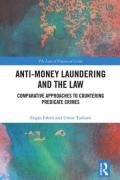
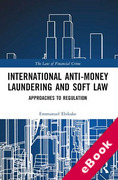
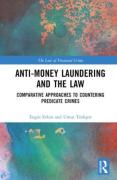
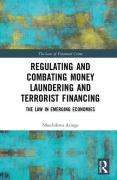
This book provides a distinctive and critical analysis of the anti-money laundering (AML) measures that have been put in place in Turkey and the United Kingdom.
The work presents a comparative analysis of if, and to what extent, the AML regimes in these jurisdictions are fit for purpose in countering some of the most pressing predicate crimes. It investigates the AML regimes relating to tackling the riskiest/most prevalent predicate crimes, that is, drug trafficking and tax crimes, thereby filling a significant gap within the current literature. The study provides insights into the effectiveness and efficiency of national AML frameworks adopted by Turkey and the UK in addressing distinct crimes, thereby identifying essential features of an optimum AML ecosystem that could effectively address predicate crimes regardless of their nature. This novel approach offers a detailed analysis of the law in books and law in practice elements of the AML regimes in Turkey and the United Kingdom which will set the tone for conducting similar studies in other jurisdictions.
The book will be of interest to academics, researchers and policy-makers working in the areas of Financial Crime, Law Enforcement and Comparative Law.