The eBooks we sell are sold as a single-user licence and are intended for the end user only.
The sale of some eBooks are restricted to certain countries. To alert you to such restrictions, please select the country of the billing address of your credit or debit card you wish to use for payment.
For further information see https://www.wildy.com/ebook-formats
Once the order is confirmed an e-mail will be sent to you to allow you to download the eBook. For UK purchases this will be automatic. For purchases outside the UK a member of staff will need to confirm the sale. (Staff are available to do this during normal business hours, Mon-Fri 8:30-17:00 UK time)
All eBooks are supplied firm sale and cannot be returned. If you believe there is a fault with your eBook then contact us on ebooks@wildy.com and we will help in resolving the issue. This does not affect your statutory rights.
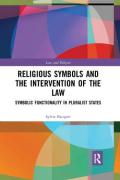
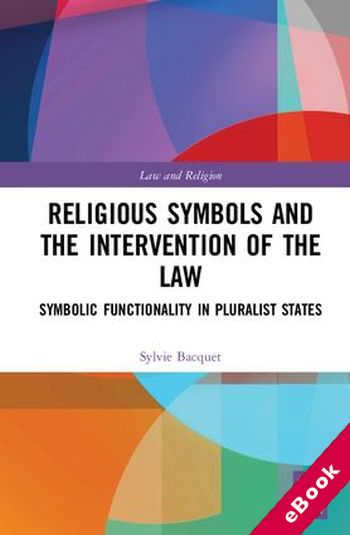
In contemporary pluralist states, where faith communities live together, different religious symbols and practices have to coexist. This may lead to conflicts between certain minority practices and the dominant majority, particularly around the manifestation of belief in the public domain which may be seen both by the religious and secular majorities as a threat to their cultural heritage or against the secular values of the host country. The law has to mitigate those tensions in order to protect the public from harm and preserve order but in doing so, it may where necessary have to limit citizens’ ability to freely manifest their religion. It is those limitations that have been disputed in the courts on grounds of freedom of religion and belief. Religious symbols are often at the heart of legal battles, with courts called upon to consider the lawfulness of banning or restricting certain symbols or practices.
This book analyses the relationship between the state, individuals and religious symbols, considering the three main forms of religious expression, symbols that believers wear on their body, symbols in the public space such as religious edifices and rituals that believers perform as a manifestation of their faith. The book looks comparatively at legal responses in England, the U.S.A and France comparing different approaches to the issues of symbols in the public sphere and their interaction with the law. The book considers religious manifestation as a social phenomenon taking a multidisciplinary approach to the question mixing elements of the anthropology, history and sociology of religion in order to provide some context and examine how this could help inform the law.