The eBooks we sell are sold as a single-user licence and are intended for the end user only.
The sale of some eBooks are restricted to certain countries. To alert you to such restrictions, please select the country of the billing address of your credit or debit card you wish to use for payment.
For further information see https://www.wildy.com/ebook-formats
Once the order is confirmed an e-mail will be sent to you to allow you to download the eBook. For UK purchases this will be automatic. For purchases outside the UK a member of staff will need to confirm the sale. (Staff are available to do this during normal business hours, Mon-Fri 8:30-17:00 UK time)
All eBooks are supplied firm sale and cannot be returned. If you believe there is a fault with your eBook then contact us on ebooks@wildy.com and we will help in resolving the issue. This does not affect your statutory rights.
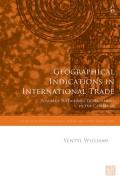
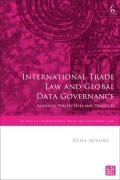
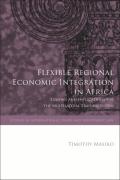
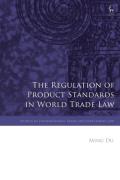
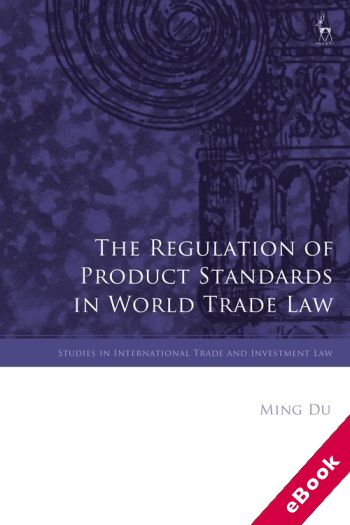
This monograph has two central purposes. The first is to provide a critical analysis of how governmental, private and hybrid product standards are regulated in the GATT/WTO legal framework. The second purpose is to explore, both positively and normatively, the impact that WTO disciplines may have on the composition, function and decision-making process of various standard-setting bodies through the lens of a series of selected case studies including the EU eco-labelling scheme; ISO standards; and private standards such as GlobalGAP. The book analyses what role, if any, the WTO may play in making product standards applied in international trade embody not only technological superiority but also substantive and procedural fairness such as deliberation, representativeness, openness, transparency, due process and accountability.
Whilst it has been long recognised that voluntary product standards drawn up by both governmental and non-governmental bodies can in practice create trade barriers as serious as mandatory governmental regulations, a rigorous and systematic inquiry into the boundary, relevance and impact of WTO disciplines on product standards is still lacking. Providing a lucid interpretation of the relevant WTO rules and cases on product standards, this book fills this significant gap in WTO law literature.
Definitive and comprehensive, this is an essential reference work for scholars and practitioners alike.