Due to the current Microsoft incident we are unable to access Email and also the supply of some eBooks may be delayed as well as our ability to process online payments - You can still call the shop on (020) 7242 5778 (08.30-17:00). Last updated 13/11/26 08:00 GMT

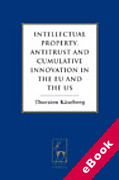
For decades, the debate about the tension between IP and antitrust law has revolved around the question to what extent antitrust should accept that IP laws may bar competition in order to stimulate innovation. The rise of IP rights in recent years has highlighted the problem that IP may also impede innovation, if research for new technologies or the marketing of new products requires access to protected prior innovation. How this 'cumulative innovation' is actually accounted for under IP and antitrust laws in the EU and the US, and how it could alternatively be dealt with, are the central questions addressed in this unique study by lawyer and economist Thorsten Käseberg.
Taking an integrated view of both IP and antitrust rules – in particular on refusals to deal based on IP – the book assesses policy levers under European and US patent, copyright and trade secrecy laws, such as the bar for and scope of protection as well as research exemptions, compulsory licensing regimes and misuse doctrines. It analyses what the allocation of tasks is and should be between these IP levers and antitrust rules, in particular the law on abuse of dominance (Article 102 TFEU) and monopolization (Section 2 Sherman Act), while particular attention is paid to the essential facilities doctrine, including pricing methodologies for access to IP.
Many recent decisions and judgments are put into a coherent analytical framework, such as IMS Health, AstraZeneca, GlaxoSmithKline (in the EU), Apple (France), Orange Book Standard (Germany), Trinko, Rambus, NYMEX, eBay (US), Microsoft and IBM/T3 (both EU and US). Further topics covered include: IP protection for software, interoperability information and databases; industry-specific tailoring of IP; antitrust innovation market analysis; and the WTO law on the IP/antitrust interface.