The eBooks we sell are sold as a single-user licence and are intended for the end user only.
The sale of some eBooks are restricted to certain countries. To alert you to such restrictions, please select the country of the billing address of your credit or debit card you wish to use for payment.
For further information see https://www.wildy.com/ebook-formats
Once the order is confirmed an e-mail will be sent to you to allow you to download the eBook. For UK purchases this will be automatic. For purchases outside the UK a member of staff will need to confirm the sale. (Staff are available to do this during normal business hours, Mon-Fri 8:30-17:00 UK time)
All eBooks are supplied firm sale and cannot be returned. If you believe there is a fault with your eBook then contact us on ebooks@wildy.com and we will help in resolving the issue. This does not affect your statutory rights.
Due to a technical issue some ebooks are not available to order.
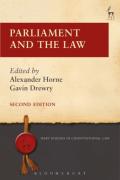
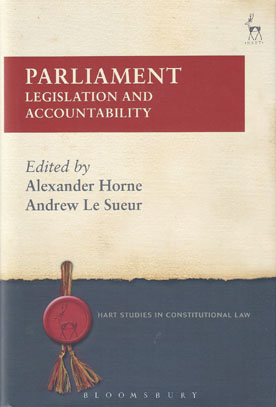
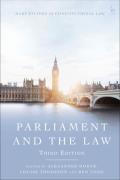
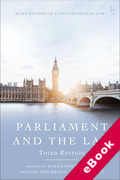
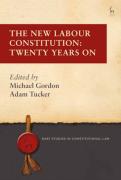
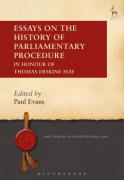
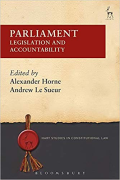
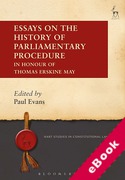
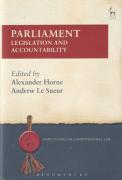
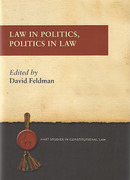
This collection of essays by leading academics, parliamentarians and parliamentary officials provides a critical assessment of the UK Parliament's two main constitutional roles – as a legislature and as the preeminent institution for calling government to account.
Both functions are undergoing change and facing new challenges. Part 1 (legislation) includes chapters on Parliament's emerging responsibilities for pre-legislative scrutiny of government bills and for evaluating proposed legislation against explicit constitutional standards.
The impact on legislation of the European Union, devolution in Scotland and the growing influence of the House of Lords are also examined. Part 2 (accountability) investigates how Parliament operates to scrutinise areas of executive action previously often shielded from effective parliamentary oversight, including: national security, war-making powers, European Union decision-making, and administrative justice.
There are also chapters on parliamentary reform, including analysis of the House of Commons 'Wright reforms' and the regulation of lobbyists.
The book will be of interest to anyone who is curious about how the law interacts with Parliament and is aimed at legal academics, practitioners and political scientists


Due to a technical issue some ebooks are not available to order.
Due to a technical issue some ebooks are not available to order.
Due to a technical issue some ebooks are not available to order.
Due to a technical issue some ebooks are not available to order.
Due to a technical issue some ebooks are not available to order.
Due to a technical issue some ebooks are not available to order.
Due to a technical issue some ebooks are not available to order.
Due to a technical issue some ebooks are not available to order.
Due to a technical issue some ebooks are not available to order.
Due to a technical issue some ebooks are not available to order.
Due to a technical issue some ebooks are not available to order.