The eBooks we sell are sold as a single-user licence and are intended for the end user only.
The sale of some eBooks are restricted to certain countries. To alert you to such restrictions, please select the country of the billing address of your credit or debit card you wish to use for payment.
For further information see https://www.wildy.com/ebook-formats
Once the order is confirmed an e-mail will be sent to you to allow you to download the eBook. For UK purchases this will be automatic. For purchases outside the UK a member of staff will need to confirm the sale. (Staff are available to do this during normal business hours, Mon-Fri 8:30-17:00 UK time)
All eBooks are supplied firm sale and cannot be returned. If you believe there is a fault with your eBook then contact us on ebooks@wildy.com and we will help in resolving the issue. This does not affect your statutory rights.
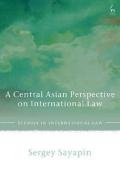
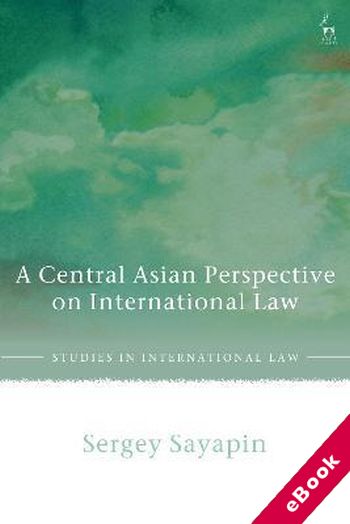
This book offers a comprehensive overview of international law in the light of contemporary challenges facing Central Asian States.
The Central Asian States (Kazakhstan, Kyrgyzstan, Tajikistan, Turkmenistan, Uzbekistan) are increasingly gaining in significance as international players. During the Soviet period, they were only nominally sovereign States but since 1991, they became full-fledged members of the international community, and have, ever since, been constructing their respective schools of international law.
Unresolved border disputes, regional migration, drug trafficking, human trafficking, disputes over water, the rise of terrorism are just a few challenges, which require Central Asian States cooperation among themselves, and with other States. The competing interests of especially China, Russia, the United States, and the European Union in the region are adding to the complex mosaic of regional dynamics.
This study shows the relevance and utility of international law in resolving those issues, in the interdisciplinary context of international relations, international institutions, and sociology of law. From a pedagogical perspective, the book identifies challenges to teaching international law in Central Asia, including curricular issues, independence of higher education institutions, language issues, influence of various foreign schools of international law doctrine, etc., and explores ways to integrate the Central Asian schools of international law in a broader Asian and international picture.