The eBooks we sell are sold as a single-user licence and are intended for the end user only.
The sale of some eBooks are restricted to certain countries. To alert you to such restrictions, please select the country of the billing address of your credit or debit card you wish to use for payment.
For further information see https://www.wildy.com/ebook-formats
Once the order is confirmed an e-mail will be sent to you to allow you to download the eBook. For UK purchases this will be automatic. For purchases outside the UK a member of staff will need to confirm the sale. (Staff are available to do this during normal business hours, Mon-Fri 8:30-17:00 UK time)
All eBooks are supplied firm sale and cannot be returned. If you believe there is a fault with your eBook then contact us on ebooks@wildy.com and we will help in resolving the issue. This does not affect your statutory rights.
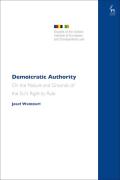
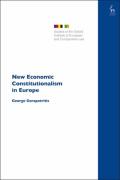
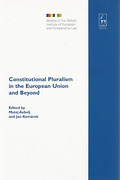
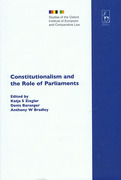
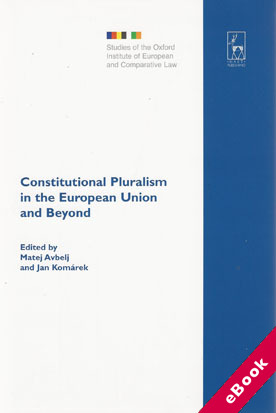
Constitutional pluralism has become immensely popular among scholars who study European integration and issues of global governance. Some of them believe that constitutionalism, traditionally thought to be bound to a nation state, can emerge beyond state's borders - most importantly in the process of European integration, but also beyond that, e.g. in international regulatory regimes such as the WTO, or international systems of fundamental rights protection, such as the European Convention.
At the same time, the idea of constitutional pluralism has not gone unchallenged. Some have questioned its compatibility with the very nature of law and the values which law brings to constitutionalism. The critiques have come from both sides: from those who believe in the 'traditional' European constitutionalism based on a hierarchically superior authority of the European Union as well as from scholars focusing on constitutions of particular states.
The book collects contributions taking opposing perspectives on constitutional pluralism - some defending and promoting the concept of constitutional pluralism, some criticising and opposing it. While some authors can be called 'the founding fathers of constitutional pluralism', others are young academics who have recently entered the field. Together they offer fresh perspectives on both theoretical and practical aspects of constitutional pluralism, enriching our existing understanding of the concept in current scholarship.