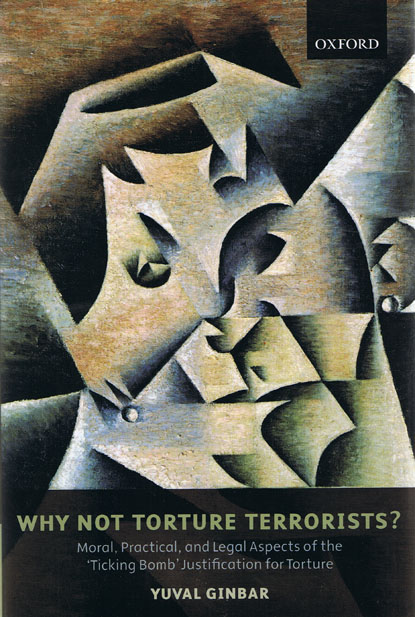
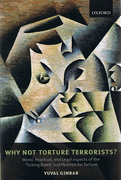
This book addresses a dilemma at the heart of the 'War on Terror': is it ever justifiable to torture terrorists in order to save the lives of others, the so-called 'ticking bomb' scenario?
The book opens with an analysis of the pure moral argument from the standpoint of the individual as torturer. It then looks at the issues that arise once a state has decided to sanction torture in certain situations: how to establish factually that the situation is urgent, deciding who to torture, training people to carry out torture, and the efficacy of torture as a means of gathering information. The final part examines attempts to operate legal systems which tolerate torture; how they relate to the criminal law notion of necessity and to international human rights norms.
After examining the utilitarian arguments for torture, and the impact on a society of permitting torture, the author presents a powerful argument for maintaining the absolute legal prohibition.

Due to a technical issue some ebooks are not available to order.
Due to a technical issue some ebooks are not available to order.

Due to a technical issue some ebooks are not available to order.


Due to a technical issue some ebooks are not available to order.


Due to a technical issue some ebooks are not available to order.


Due to a technical issue some ebooks are not available to order.

Due to a technical issue some ebooks are not available to order.

Due to a technical issue some ebooks are not available to order.


Due to a technical issue some ebooks are not available to order.

Due to a technical issue some ebooks are not available to order.

Due to a technical issue some ebooks are not available to order.





Due to a technical issue some ebooks are not available to order.

Due to a technical issue some ebooks are not available to order.
Due to a technical issue some ebooks are not available to order.


Due to a technical issue some ebooks are not available to order.



Due to a technical issue some ebooks are not available to order.
Due to a technical issue some ebooks are not available to order.


Due to a technical issue some ebooks are not available to order.


Due to a technical issue some ebooks are not available to order.


Due to a technical issue some ebooks are not available to order.

Due to a technical issue some ebooks are not available to order.


Due to a technical issue some ebooks are not available to order.

Due to a technical issue some ebooks are not available to order.


Due to a technical issue some ebooks are not available to order.



Due to a technical issue some ebooks are not available to order.

Due to a technical issue some ebooks are not available to order.



Due to a technical issue some ebooks are not available to order.




Due to a technical issue some ebooks are not available to order.






Due to a technical issue some ebooks are not available to order.


Due to a technical issue some ebooks are not available to order.














Due to a technical issue some ebooks are not available to order.




Due to a technical issue some ebooks are not available to order.