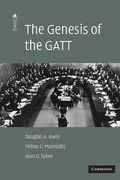
This book is part of a wider project that aims to propose a model GATT that makes good economic sense without undoing its current basic structure. It asks: What does the historical record indicate about the aims and objectives of the framers of the GATT? To what extent does the historical record provide support for one or more of the economic rationales for the GATT?
The book supports that the two main framers of the GATT were the United Kingdom and the United States; developing countries’ influence was noticeable only after the mid-1950s. The framers understood the GATT as a pro-peace instrument; however, they were mindful of the costs of achieving such a far-reaching objective and were not willing to allocate them disproportionately. This may explain why their negotiations were based on reciprocal market access commitments so that the terms of trade were not unevenly distributed or affected through the GATT.