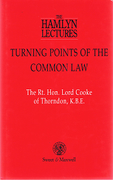
Over the last two decades, and in the wake of increases in recorded crime and other social changes, British criminal justice policy has become increasingly politicised as an index of governments’ competence. New and worrying developments, such as the inexorable rise of the US prison population and the rising force of penal severity, seem unstoppable in the face of popular anxiety about crime. But is this inevitable?
Nicola Lacey argues that harsh ‘penal populism’ is not the inevitable fate of all contemporary democracies. Notwithstanding a degree of convergence, globalisation has left many of the key institutional differences between national systems intact, and these help to explain the striking differences in the capacity for penal tolerance in otherwise relatively similar societies.
Only by understanding the institutional preconditions for a tolerant criminal justice system can we think clearly about the possible options for reform within particular systems.


Due to a technical issue some ebooks are not available to order.


Due to a technical issue some ebooks are not available to order.





Due to a technical issue some ebooks are not available to order.




Due to a technical issue some ebooks are not available to order.



Due to a technical issue some ebooks are not available to order.