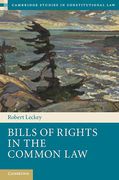
Scholars have addressed at length the 'what' of judicial review under a bill of rights - scrutinizing legislation and striking it down - but neglected the 'how'. Adopting an internal legal perspective, Robert Leckey addresses that gap by reporting on the processes and activities of judges of the highest courts of Canada, South Africa and the United Kingdom as they apply their relatively new bills of rights. Rejecting the tendency to view rights adjudication as novel and unique, he connects it to the tradition of judging and judicial review in the Commonwealth and identifies respects in which judges' activities in rights cases genuinely are novel - and problematic. Highlighting inventiveness in rights adjudication, including creative remedies and guidance to legislative drafters, he challenges classifications of review as strong or weak. Disputing claims that it is modest and dialogic, he also argues that remedial discretion denies justice to individuals and undermines constitutional supremacy.

Due to a technical issue some ebooks are not available to order.
Due to a technical issue some ebooks are not available to order.


Due to a technical issue some ebooks are not available to order.

Due to a technical issue some ebooks are not available to order.

Due to a technical issue some ebooks are not available to order.

Due to a technical issue some ebooks are not available to order.



Due to a technical issue some ebooks are not available to order.
Due to a technical issue some ebooks are not available to order.

Due to a technical issue some ebooks are not available to order.
Due to a technical issue some ebooks are not available to order.
Due to a technical issue some ebooks are not available to order.

Due to a technical issue some ebooks are not available to order.


Due to a technical issue some ebooks are not available to order.

Due to a technical issue some ebooks are not available to order.
Due to a technical issue some ebooks are not available to order.
Due to a technical issue some ebooks are not available to order.
Due to a technical issue some ebooks are not available to order.