The eBooks we sell are sold as a single-user licence and are intended for the end user only.
The sale of some eBooks are restricted to certain countries. To alert you to such restrictions, please select the country of the billing address of your credit or debit card you wish to use for payment.
For further information see https://www.wildy.com/ebook-formats
Once the order is confirmed an e-mail will be sent to you to allow you to download the eBook. For UK purchases this will be automatic. For purchases outside the UK a member of staff will need to confirm the sale. (Staff are available to do this during normal business hours, Mon-Fri 8:30-17:00 UK time)
All eBooks are supplied firm sale and cannot be returned. If you believe there is a fault with your eBook then contact us on ebooks@wildy.com and we will help in resolving the issue. This does not affect your statutory rights.
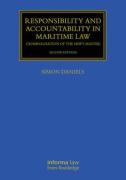
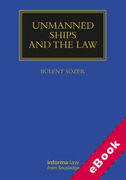
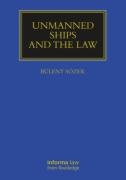
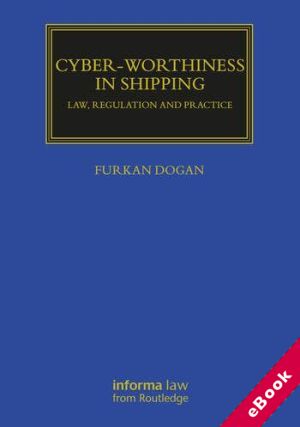
As the maritime industry undergoes a technological transformation, traditional legal doctrines must evolve to address new challenges. This book explores the legal and operational implications of Maritime Autonomous Surface Ships (MASS) and the increasing reliance on digital systems in modern shipping. While automation and digitalisation enhance efficiency and safety, they also introduce unprecedented cyber risks that threaten global supply chains, financial stability and regulatory compliance. Redefining the concept of seaworthiness by incorporating cyber-worthiness and communication-worthiness, this book ensures that vessels are not only physically fit for sea travel but also resilient against cyber threats and equipped with secure communication systems. By analysing international regulations such as UNCLOS, SOLAS, STCW, and marine insurance frameworks, the book identifies critical legal gaps and proposes necessary updates to align with the digital age. Through a legal and interdisciplinary approach, the book offers practical recommendations for policymakers, insurers and maritime operators. It outlines robust cybersecurity measures, updates to insurance policies and regulatory frameworks that safeguard against evolving cyber threats.
Providing maritime lawyers, insurers, shipowners and policymakers with clear guidance on how to navigate legal uncertainties surrounding autonomous vessels, cybersecurity risks and liability issues, the book offers practical solutions for insurance policies, charterparties and contractual clauses, ensuring that risks associated with cyber threats, remote operation and digital failures are adequately addressed.
For practitioners, this book solves pressing legal and operational problems. It clarifies how existing maritime regulations (such as UNCLOS, SOLAS, and the ISM Code) apply to autonomous and digitalised ships, identifies gaps in current legal frameworks, and proposes necessary updates to ensure compliance.