The eBooks we sell are sold as a single-user licence and are intended for the end user only.
The sale of some eBooks are restricted to certain countries. To alert you to such restrictions, please select the country of the billing address of your credit or debit card you wish to use for payment.
For further information see https://www.wildy.com/ebook-formats
Once the order is confirmed an e-mail will be sent to you to allow you to download the eBook. For UK purchases this will be automatic. For purchases outside the UK a member of staff will need to confirm the sale. (Staff are available to do this during normal business hours, Mon-Fri 8:30-17:00 UK time)
All eBooks are supplied firm sale and cannot be returned. If you believe there is a fault with your eBook then contact us on ebooks@wildy.com and we will help in resolving the issue. This does not affect your statutory rights.
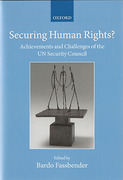
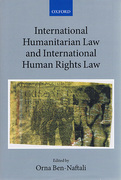
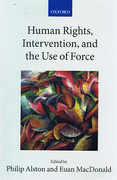
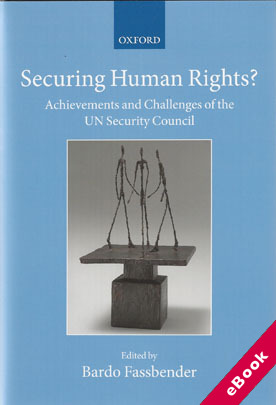
Throughout the first decades of its existence, many held the view that the UN Security Council would in some senses automatically encourage the protection of human rights by maintaining international peace.
However since the end of the Cold War there have been growing concerns that the Council is a force with the potential to do harm to the cause of human rights, even to the extent of violating the rights of individuals. The chapters of this volume take a closer look at these two sides of the Security Council's involvement in human rights; both its efforts to promote and enforce human rights, and its actions that, with the intention of maintaining and restoring international peace, also have the potential to jeopardize human rights.
This book represents a collection of individual views and appraisals of how the Council has dealt with human rights issues in the post-Cold War period, particularly in the cases of the economic sanctions imposed on Iraq and the targeted sanctions directed against the Taliban and supporters of the Al Qaida network.
Written by experts in the field of international law, they are both positive and negative, critical and analytical. Together they offer a selection of different perspectives and evaluate the contribution of the Security Council to the promotion of human rights, highlighting possible avenue for improvement.