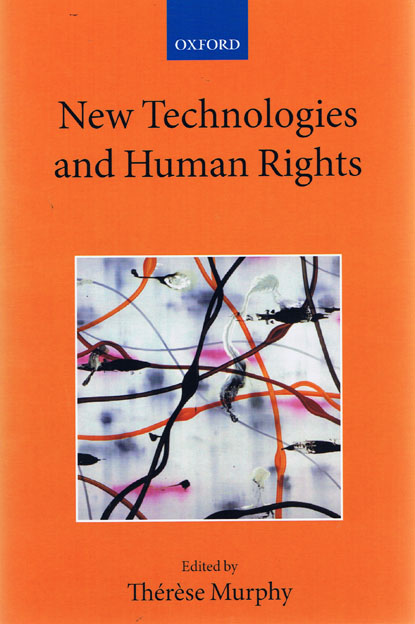
The first IVF baby was born in the 1970s. Less than 20 years later, we had cloning and GM food, and information and communication technologies had transformed everyday life. In 2000, the human genome was sequenced. More recently, there has been much discussion of the economic and social benefits of nanotechnology, and synthetic biology has also been generating controversy.
This important volume is a timely contribution to increasing calls for regulation - or better regulation - of these and other new technologies. Drawing on an international team of legal scholars, it reviews and develops the role of human rights in the regulation of new technologies. Three controversies at the intersection between human rights and new technology are given particular attention.
First, how the expansive application of human rights could contribute to the creation of a brave new world of choice, where human dignity is fundamentally compromised; second, how new technologies, and our regulatory responses to them, could be a threat to human rights; and, third, how human rights could be used to create better regulation of these technologies.