The eBooks we sell are sold as a single-user licence and are intended for the end user only.
The sale of some eBooks are restricted to certain countries. To alert you to such restrictions, please select the country of the billing address of your credit or debit card you wish to use for payment.
For further information see https://www.wildy.com/ebook-formats
Once the order is confirmed an e-mail will be sent to you to allow you to download the eBook. For UK purchases this will be automatic. For purchases outside the UK a member of staff will need to confirm the sale. (Staff are available to do this during normal business hours, Mon-Fri 8:30-17:00 UK time)
All eBooks are supplied firm sale and cannot be returned. If you believe there is a fault with your eBook then contact us on ebooks@wildy.com and we will help in resolving the issue. This does not affect your statutory rights.
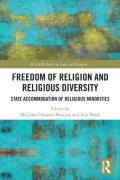
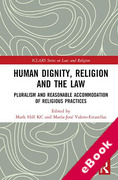
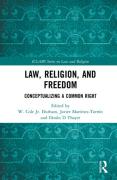
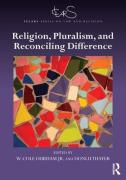
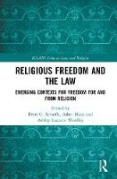
This volume shows how and why legal empowerment is important for those exercising their religious rights under various jurisdictions, in conditions of legal pluralism. At the same time, it also questions the thesis that as societies become more modern, they also become less religious.
The authors look beyond the rule of law orthodoxy in their consideration of the freedom of religion as a human right and place this discussion in a more plurality-sensitive context. The book sheds more light on the informal and/or customary mechanisms that explain the limited impact of law on individuals and groups, especially in non-Western societies. The focus is on discussing how religion and the exercise of religious rights may or may not empower individuals and social groups and improve access to human rights in general.
This book is important reading for academics and practitioners of law and religion, religious rights, religious diversity and cultural difference, as well as NGOs, policy makers, lawyers and advocates at multicultural jurisdictions. It offers a contemporary take on comparative legal studies, with a distinct focus on religion as an identity marker.