The eBooks we sell are sold as a single-user licence and are intended for the end user only.
The sale of some eBooks are restricted to certain countries. To alert you to such restrictions, please select the country of the billing address of your credit or debit card you wish to use for payment.
For further information see https://www.wildy.com/ebook-formats
Once the order is confirmed an e-mail will be sent to you to allow you to download the eBook. For UK purchases this will be automatic. For purchases outside the UK a member of staff will need to confirm the sale. (Staff are available to do this during normal business hours, Mon-Fri 8:30-17:00 UK time)
All eBooks are supplied firm sale and cannot be returned. If you believe there is a fault with your eBook then contact us on ebooks@wildy.com and we will help in resolving the issue. This does not affect your statutory rights.
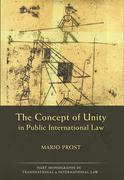
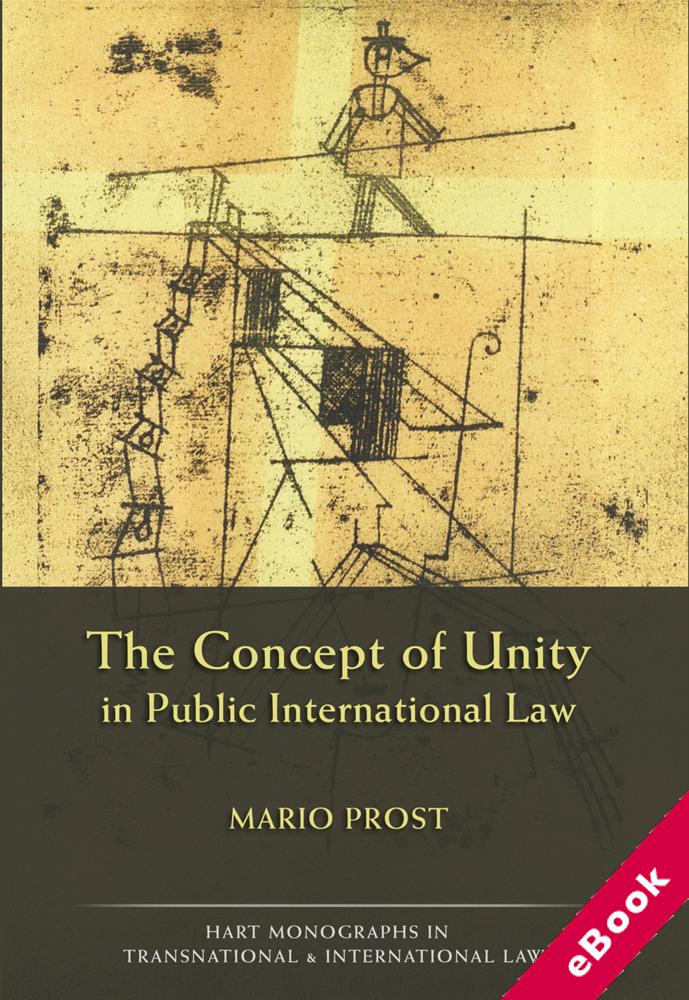
'Fragmentation' has become a defining metaphor of international law scholarship in the era of globalisation, albeit the subject is highly controversial among international lawyers. Some accept while others oppose the idea of fragmentation; some see it as a new development, others as history repeating itself; some approach it as a technical issue and some as the reflection of deeper political struggles. But there is near-consensus about the fact that something is happening today which challenges established visions of international law as a unitary whole. At the same time, the concept of unity, which lies at the very core of the fragmentation debate, is hardly ever rationalised in the literature. As a rule, the notion of unity is more assumed than explained. Unity is presented as fragmentation's theoretical opposite but its meaning remains vague and intuitive. The present book attempts to dispel that vagueness by exploring the various possible meanings of the concept of unity in international law. However, rather than proposing one grand theory of unity, it identifies and compares five candidate conceptions of unity in international law. Intentionally pluralistic in its outlook, the book does not engage in normative arguments about whether international law is or should be unitary. Instead, it seeks to show that unity is a fundamentally contested concept and that discourses on fragmentation are therefore necessarily contingent.
The thesis on which the book is based won the 2009 Prize for best doctoral thesis from the Association des professeurs de droit du Québec (APDQ).