The eBooks we sell are sold as a single-user licence and are intended for the end user only.
The sale of some eBooks are restricted to certain countries. To alert you to such restrictions, please select the country of the billing address of your credit or debit card you wish to use for payment.
For further information see https://www.wildy.com/ebook-formats
Once the order is confirmed an e-mail will be sent to you to allow you to download the eBook. For UK purchases this will be automatic. For purchases outside the UK a member of staff will need to confirm the sale. (Staff are available to do this during normal business hours, Mon-Fri 8:30-17:00 UK time)
All eBooks are supplied firm sale and cannot be returned. If you believe there is a fault with your eBook then contact us on ebooks@wildy.com and we will help in resolving the issue. This does not affect your statutory rights.
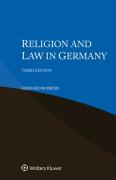
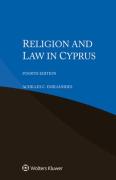
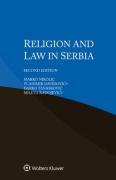
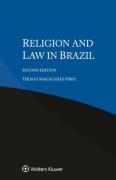
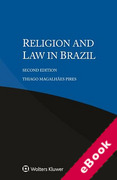
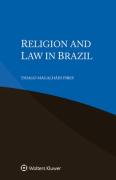
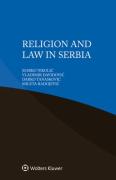
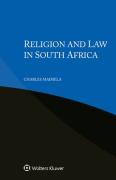
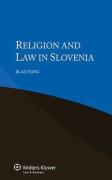
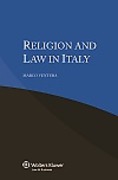
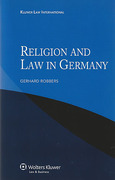
Derived from the renowned multi-volume International Encyclopaedia of Laws, this convenient resource provides systematic information on how Brazil deals with the role religion plays or can play in society, the legal status of religious communities and institutions, and the legal interaction among religion, culture, education, and media.
After a general introduction describing the social and historical background, the book goes on to explain the legal framework in which religion is approached. Coverage proceeds from the principle of religious freedom through the rights and contractual obligations of religious communities; international, transnational, and regional law effects; and the legal parameters affecting the influence of religion in politics and public life. Also covered are legal positions on religion in such specific fields as church financing, labour and employment, and matrimonial and family law. A clear and comprehensive overview of relevant legislation and legal doctrine make the book an invaluable reference source and very useful guide.
Succinct and practical, this book will prove to be of great value to practitioners in the myriad instances where a law-related religious interest arises in Brazil. Academics and researchers will appreciate its value as a thorough but concise treatment of the legal aspects of diversity and multiculturalism in which religion plays such an important part.