The eBooks we sell are sold as a single-user licence and are intended for the end user only.
The sale of some eBooks are restricted to certain countries. To alert you to such restrictions, please select the country of the billing address of your credit or debit card you wish to use for payment.
For further information see https://www.wildy.com/ebook-formats
Once the order is confirmed an e-mail will be sent to you to allow you to download the eBook. For UK purchases this will be automatic. For purchases outside the UK a member of staff will need to confirm the sale. (Staff are available to do this during normal business hours, Mon-Fri 8:30-17:00 UK time)
All eBooks are supplied firm sale and cannot be returned. If you believe there is a fault with your eBook then contact us on ebooks@wildy.com and we will help in resolving the issue. This does not affect your statutory rights.
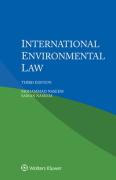
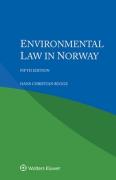
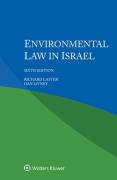
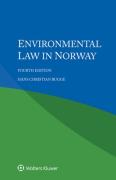
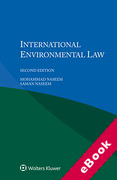
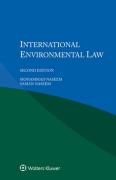
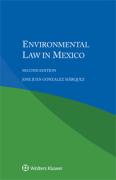
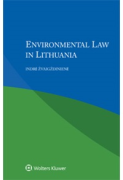
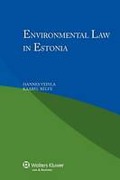
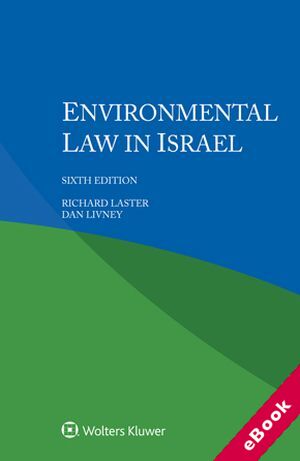
Derived from the renowned multi-volume International Encyclopaedia of Laws, this book provides ready access to legislation and practice concerning the environment in Israel. A general introduction covers geographic considerations, political, social and cultural aspects of environmental study, the sources and principles of environmental law, environmental legislation, and the role of public authorities.
The main body of the book deals first with laws aimed directly at protecting the environment from pollution in specific areas such as air, water, waste, soil, noise, and radiation. Then, a section on nature and conservation management covers protection of natural and cultural resources such as monuments, landscapes, parks and reserves, wildlife, agriculture, forests, fish, subsoil, and minerals. Further treatment includes the application of zoning and land-use planning, rules on liability, and administrative and judicial remedies to environmental issues. There is also an analysis of the impact of international and regional legislation and treaties on environmental regulation.
Its succinct yet scholarly nature, as well as the practical quality of the information it provides, make this book a valuable resource for environmental lawyers handling cases affecting Israel. Academics and researchers, as well as business investors and the various international organizations in the field, will welcome this very useful guide, and will appreciate its value in the study of comparative environmental law and policy.