The eBooks we sell are sold as a single-user licence and are intended for the end user only.
The sale of some eBooks are restricted to certain countries. To alert you to such restrictions, please select the country of the billing address of your credit or debit card you wish to use for payment.
For further information see https://www.wildy.com/ebook-formats
Once the order is confirmed an e-mail will be sent to you to allow you to download the eBook. For UK purchases this will be automatic. For purchases outside the UK a member of staff will need to confirm the sale. (Staff are available to do this during normal business hours, Mon-Fri 8:30-17:00 UK time)
All eBooks are supplied firm sale and cannot be returned. If you believe there is a fault with your eBook then contact us on ebooks@wildy.com and we will help in resolving the issue. This does not affect your statutory rights.
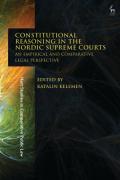
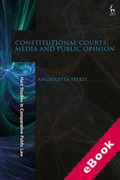
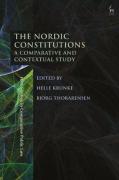
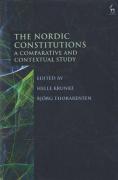
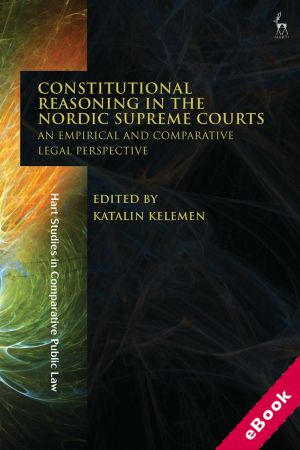
This book explores the argumentative style of the supreme courts in the Nordic countries (Denmark, Iceland, Finland, Norway, and Sweden).
Its findings are based on empirical research involving 280 leading constitutional cases which demonstrate that the impact of a constitutional ruling often extends far beyond the cases actually adjudicated by the courts and that it is crucial to understand how judges justify their decisions in constitutional cases.
In the cases researched, the authors identify and explain the common features of the Nordic constitutional reasoning, situating the Nordic experience within a broader comparative framework. The book compares these practices with those of non-Nordic jurisdictions, analysing whether and how the approaches of Nordic supreme courts align with each other and with global trends. This is made possible through the use of a well-established conceptual and methodological framework, adapted to the Nordic context. Key aspects of judicial reasoning are examined, including the emphasis placed on specific constitutional concepts, the use of non-legal arguments, the reliance on precedents, and the types of sources typically referenced – such as preparatory works, foreign legal materials, and academic writings. The book is aimed at anyone interested in the constitutional culture of the Nordic countries and informs normative debates on constitutional law, both in scientific and political discourse. It contributes to the global academic discourse on constitutional reasoning with a unique perspective from the Nordic countries, which have often been overlooked in comparative research.