The eBooks we sell are sold as a single-user licence and are intended for the end user only.
The sale of some eBooks are restricted to certain countries. To alert you to such restrictions, please select the country of the billing address of your credit or debit card you wish to use for payment.
For further information see https://www.wildy.com/ebook-formats
Once the order is confirmed an e-mail will be sent to you to allow you to download the eBook. For UK purchases this will be automatic. For purchases outside the UK a member of staff will need to confirm the sale. (Staff are available to do this during normal business hours, Mon-Fri 8:30-17:00 UK time)
All eBooks are supplied firm sale and cannot be returned. If you believe there is a fault with your eBook then contact us on ebooks@wildy.com and we will help in resolving the issue. This does not affect your statutory rights.
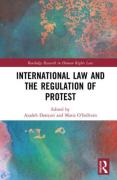
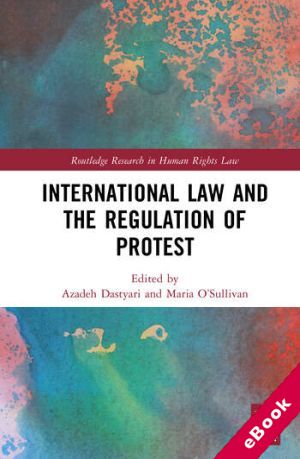
This book provides a systematic analysis of the international legal regime governing protest from a human rights law perspective. Through it, readers gain an introduction to the idea of protest, and how it is understood and regulated.
The first section of this book provides a conceptual and doctrinal introduction to protests. It examines the human right to the freedom of assembly, and how it inter-relates with expressive freedoms. Comparative examples are provided from both liberal and non-liberal states. The second half of the book offers case studies on specific types of protest. These include climate protests, Indigenous protests, gender-related protests, citizenship protests and digital protest. The book seeks to draw out internationally recognised standards when it comes to engaging in and policing protest activities. A concluding chapter also looks towards the future governance of protest and protest movements.
With timely relevance to contemporary protest movements like Black Lives Matter and environmental justice, this book will appeal to academics and students of human rights law, constitutional law, and international law. It will also appeal to scholars of social justice, social change, and peace / conflict studies.