The eBooks we sell are sold as a single-user licence and are intended for the end user only.
The sale of some eBooks are restricted to certain countries. To alert you to such restrictions, please select the country of the billing address of your credit or debit card you wish to use for payment.
For further information see https://www.wildy.com/ebook-formats
Once the order is confirmed an e-mail will be sent to you to allow you to download the eBook. For UK purchases this will be automatic. For purchases outside the UK a member of staff will need to confirm the sale. (Staff are available to do this during normal business hours, Mon-Fri 8:30-17:00 UK time)
All eBooks are supplied firm sale and cannot be returned. If you believe there is a fault with your eBook then contact us on ebooks@wildy.com and we will help in resolving the issue. This does not affect your statutory rights.
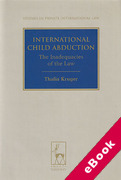
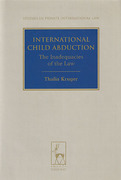
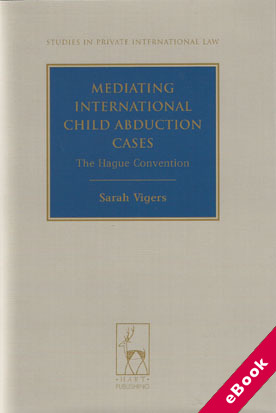
There is growing enthusiasm for the use of mediation to seek to resolve cases arising under the Hague Convention of 25 October 1980 on the Civil Aspects of International Child Abduction (the Convention).
However, despite being endorsed by the conclusions of meetings of experts, judicial comment and even legislative changes, there have been relatively few cases where mediation has played a significant role. It is suggested that the reason underlying this dichotomy between the widespread support for the use of mediation and the current limited practice is that there are several key questions regarding the use of mediation in the context of the Convention which remain to be answered.
Specifically: what is meant by Convention mediation? How can a mediation process fit within the constraints of the Convention? And why offer mediation in Convention cases given the existing legal framework? This book addresses these questions and in so doing seeks to encourage a movement from enthusiasm about the use of mediation in the Convention context to greater practice.