The eBooks we sell are sold as a single-user licence and are intended for the end user only.
The sale of some eBooks are restricted to certain countries. To alert you to such restrictions, please select the country of the billing address of your credit or debit card you wish to use for payment.
For further information see https://www.wildy.com/ebook-formats
Once the order is confirmed an e-mail will be sent to you to allow you to download the eBook. For UK purchases this will be automatic. For purchases outside the UK a member of staff will need to confirm the sale. (Staff are available to do this during normal business hours, Mon-Fri 8:30-17:00 UK time)
All eBooks are supplied firm sale and cannot be returned. If you believe there is a fault with your eBook then contact us on ebooks@wildy.com and we will help in resolving the issue. This does not affect your statutory rights.
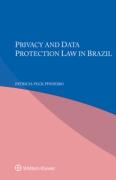
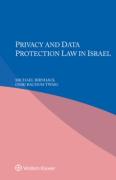
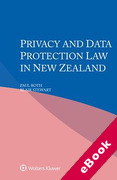
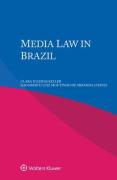
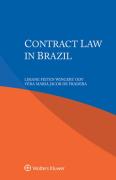
Derived from the renowned multi-volume International Encyclopaedia of Laws, this practical guide to privacy and data protection law in Brazil covers every aspect of the subject, including the protection of private life as a fundamental – constitutional – right, the application of international and/or regional conventions protecting the right to privacy, privacy rights in the context of electronic communications or at the workplace, and the protection of individuals regarding the processing of personal data relating to them.
Following a general introduction about the country, the monograph assembles its information and guidance in two parts: (1) protection of privacy, including national case law regarding the protection of this fundamental right, specific legislation on the confidentiality of interpersonal communications, and sector-specific rules regarding privacy protection, such as privacy rights of employees, patients, consumers or celebrities; (2) personal data protection, including not only general rules on data quality, legitimate processing, data retention, data subject rights, security and accountability, but also specific provisions regarding the processing of health data or other sensitive personal information, further processing for research purposes, exemptions for law enforcement or national security purposes, and rules regarding liabilities, sanctions and redress.