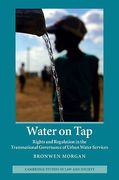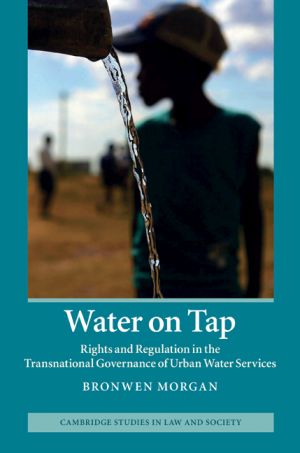
In the 1990s and mid 2000s, turbulent political and social protests surrounded the issue of private sector involvement in providing urban water services in both the developed and developing world. Water on Tap explores examples of such conflicts in six national settings (France, Bolivia, Chile, Argentina, South Africa and New Zealand), focusing on a central question: how were rights and regulation mobilised to address the demands of redistribution and recognition? Two modes of governance emerged: managed liberalisation and participatory democracy, often in hybrid forms that complicated simple oppositions between public and private, commodity and human right. The case studies examine the effects of transnational and domestic regulatory frameworks shaping the provision of urban water services, bilateral investment treaties and the contributions of non-state actors such as transnational corporations, civil society organisations and social movement activists. The conceptual framework developed can be applied to a wide range of transnational governance contexts.