The eBooks we sell are sold as a single-user licence and are intended for the end user only.
The sale of some eBooks are restricted to certain countries. To alert you to such restrictions, please select the country of the billing address of your credit or debit card you wish to use for payment.
For further information see https://www.wildy.com/ebook-formats
Once the order is confirmed an e-mail will be sent to you to allow you to download the eBook. For UK purchases this will be automatic. For purchases outside the UK a member of staff will need to confirm the sale. (Staff are available to do this during normal business hours, Mon-Fri 8:30-17:00 UK time)
All eBooks are supplied firm sale and cannot be returned. If you believe there is a fault with your eBook then contact us on ebooks@wildy.com and we will help in resolving the issue. This does not affect your statutory rights.
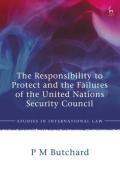
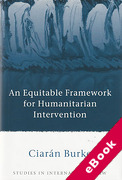
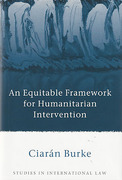
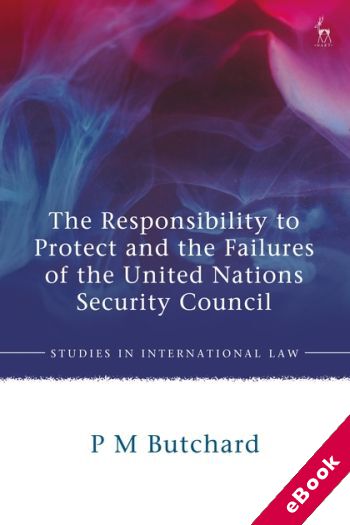
What can be done if the United Nations Security Council fails to protect people from mass atrocities? At a time of inaction and political paralysis at the United Nations, this book explains the legality of alternative action beyond the Security Council.
This book takes a fresh look at the responsibility to protect and offers new and compelling insights into the powers and limits of the UN Security Council. It argues that the Security Council's responsibility to maintain international peace and security, and its responsibility to protect, do not die with its own failures. Other actors can and must take up responsibility to save those in need. In a persuasive and detailed examination of the legal framework, this research identifies options for coercive measures to be taken beyond the Council that could be used to break the deadlock, including through the General Assembly and regional organisations. It provides a must-have resource for students, academics, and researchers on key principles of international law. It also offers insight for governments, policy-makers, and other international actors on how they can uphold their legal responsibilities, maintain peace and security, and prevent their failures from undermining the very existence of the UN itself.