The eBooks we sell are sold as a single-user licence and are intended for the end user only.
The sale of some eBooks are restricted to certain countries. To alert you to such restrictions, please select the country of the billing address of your credit or debit card you wish to use for payment.
For further information see https://www.wildy.com/ebook-formats
Once the order is confirmed an e-mail will be sent to you to allow you to download the eBook. For UK purchases this will be automatic. For purchases outside the UK a member of staff will need to confirm the sale. (Staff are available to do this during normal business hours, Mon-Fri 8:30-17:00 UK time)
All eBooks are supplied firm sale and cannot be returned. If you believe there is a fault with your eBook then contact us on ebooks@wildy.com and we will help in resolving the issue. This does not affect your statutory rights.
Due to a technical issue some ebooks are not available to order.
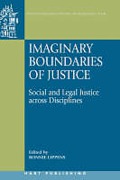
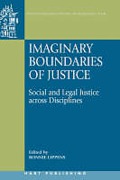
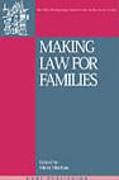
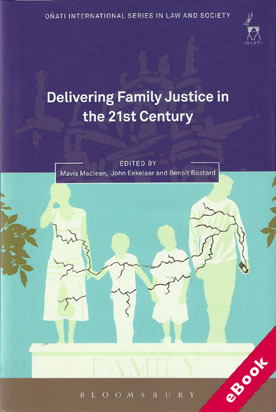
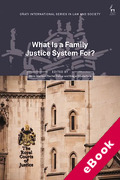
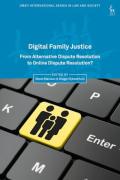
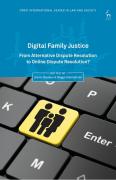
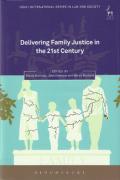
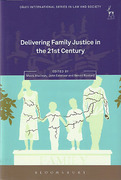
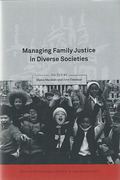
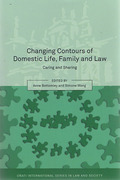
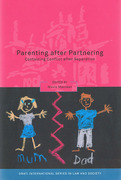
Family justice requires not only a legal framework within which personal obligations are regulated over the life course, but also a justice system which can deliver legal information, advice and support at times of change of status or family stress, together with mechanisms for negotiation, dispute management and resolution, with adjudication as the last resort.
The past few years have seen unparalleled turbulence in the way family justice systems function. These changes are associated with economic constraints in many countries, including England and Wales, where legal aid for private family matters has largely disappeared.
But there is also a change in ideology in a number of jurisdictions, including Canada, towards what is sometimes called neo-liberalism, whereby the state seeks to reduce its area of activity while at the same time maintaining strong views on family values. Legal services may become fragmented and marketised, and the role of law and lawyers reduced, while self -help web based services expand.
The contributors to this volume, share their anxieties about the impact on the ability of individuals to achieve fair and informed resolution in family matters.




Due to a technical issue some ebooks are not available to order.

Due to a technical issue some ebooks are not available to order.

Due to a technical issue some ebooks are not available to order.
Due to a technical issue some ebooks are not available to order.




Due to a technical issue some ebooks are not available to order.
Due to a technical issue some ebooks are not available to order.



Due to a technical issue some ebooks are not available to order.

Due to a technical issue some ebooks are not available to order.

Due to a technical issue some ebooks are not available to order.
Due to a technical issue some ebooks are not available to order.

Due to a technical issue some ebooks are not available to order.
Due to a technical issue some ebooks are not available to order.
Due to a technical issue some ebooks are not available to order.

Due to a technical issue some ebooks are not available to order.
Due to a technical issue some ebooks are not available to order.
Due to a technical issue some ebooks are not available to order.

Due to a technical issue some ebooks are not available to order.

Due to a technical issue some ebooks are not available to order.
Due to a technical issue some ebooks are not available to order.


Due to a technical issue some ebooks are not available to order.
Due to a technical issue some ebooks are not available to order.


Due to a technical issue some ebooks are not available to order.
Due to a technical issue some ebooks are not available to order.








Due to a technical issue some ebooks are not available to order.