The eBooks we sell are sold as a single-user licence and are intended for the end user only.
The sale of some eBooks are restricted to certain countries. To alert you to such restrictions, please select the country of the billing address of your credit or debit card you wish to use for payment.
For further information see https://www.wildy.com/ebook-formats
Once the order is confirmed an e-mail will be sent to you to allow you to download the eBook. For UK purchases this will be automatic. For purchases outside the UK a member of staff will need to confirm the sale. (Staff are available to do this during normal business hours, Mon-Fri 8:30-17:00 UK time)
All eBooks are supplied firm sale and cannot be returned. If you believe there is a fault with your eBook then contact us on ebooks@wildy.com and we will help in resolving the issue. This does not affect your statutory rights.
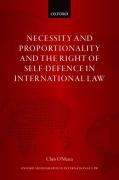
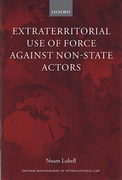
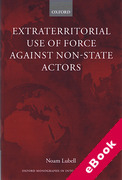
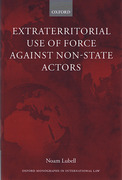
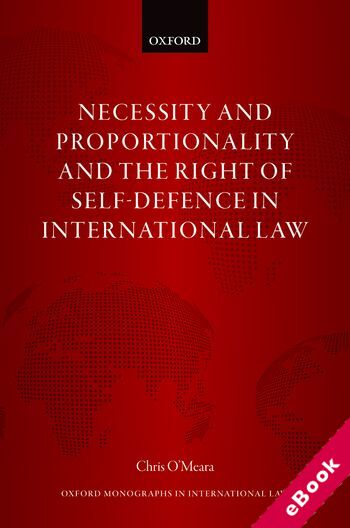
States invariably justify using force extraterritorially by reference to their right of self-defence. In doing so, they accept that the exercise of this right is conditioned by the customary international law requirements of necessity and proportionality. However, these requirements are notorious for being normatively indeterminate and operationally complex. As a breach of either requirement renders ostensibly defensive action unlawful, increased determinacy regarding their scope and substance is crucial to how international law constrains military force. This book examines the conceptual meaning, content, and practical application of necessity and proportionality as they relate to the right of self-defence following the adoption of the UN Charter in 1945. It provides a coherent and up-to-date description of the applicable contemporary international law and proposes an analytical framework to guide its operation and appraisal. This book argues that necessity and proportionality are conceptually distinct and must be applied in the foregoing order to avoid an insufficient 'catch-all' description of legality or illegality. Necessity determines whether defensive force may be used to respond to an armed attack and where it must be directed. Proportionality governs how much total force is permissible and prohibits excessive responses. Both requirements are shown to apply on an ongoing basis throughout the duration of an armed conflict prompted by self-defence. Compliance with necessity and proportionality ensures that the purposes of self-defence are met, and nothing more, and that defensive force is not unduly disruptive to third party interests and to international peace and security.