Our email services are slowly returning to normal and we will reply as and when they are received although some may still be delayed. If your enquiry is urgent you can still call the shop on (020) 7242 5778 (08.30-17:00).
Last updated 13/11/26 15:30 GMT

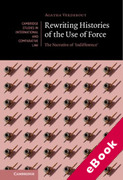
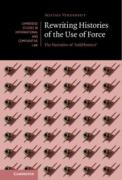
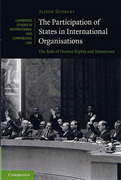
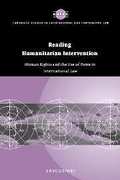
During the 1990s, humanitarian intervention seemed to promise a world in which democracy, self-determination and human rights would be privileged over national interests or imperial ambitions. Orford provides critical readings of the narratives that accompanied such interventions and shaped legal justifications for the use of force by the international community.
Through a close reading of legal texts and institutional practice, she argues that a far more circumscribed, exploitative and conservative interpretation of the ends of intervention was adopted during this period. The book draws on a wide range of sources, including critical legal theory, feminist and postcolonial theory, psychoanalytic theory and critical geography, to develop ways of reading directed at thinking through the cultural and economic effects of militarised humanitarianism.
The book concludes by asking what, if anything, has been lost in the move from the era of humanitarian intervention to an international relations dominated by wars on terror.