The eBooks we sell are sold as a single-user licence and are intended for the end user only.
The sale of some eBooks are restricted to certain countries. To alert you to such restrictions, please select the country of the billing address of your credit or debit card you wish to use for payment.
For further information see https://www.wildy.com/ebook-formats
Once the order is confirmed an e-mail will be sent to you to allow you to download the eBook. For UK purchases this will be automatic. For purchases outside the UK a member of staff will need to confirm the sale. (Staff are available to do this during normal business hours, Mon-Fri 8:30-17:00 UK time)
All eBooks are supplied firm sale and cannot be returned. If you believe there is a fault with your eBook then contact us on ebooks@wildy.com and we will help in resolving the issue. This does not affect your statutory rights.
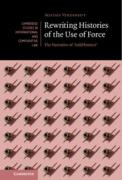
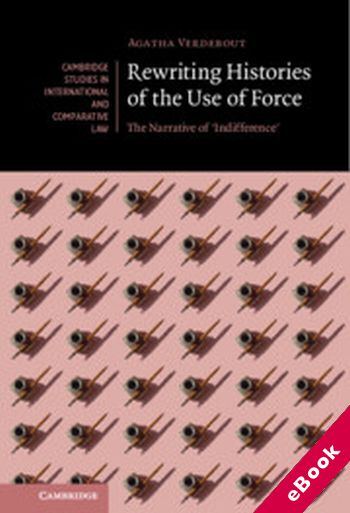
It is commonly taught that the prohibition of the use of force is an achievement of the twentieth century and that beforehand States were free to resort to the arms as they pleased. International law, the story goes, was 'indifferent' to the use of force. 'Reality' as it stems from historical sources, however, appears much more complex. Using tools of history, sociology, anthropology and social psychology, this monograph offers new insights into the history of the prohibition of the use of force in international law. Conducting in-depth analysis of nineteenth century doctrine and State practice, it paves the way for an alternative narrative on the prohibition of force, and seeks to understand the origins of international law's traditional account. In so doing, it also provides a more general reflection on how the discipline writes, rewrites and chooses to remember its own history.