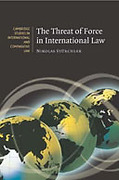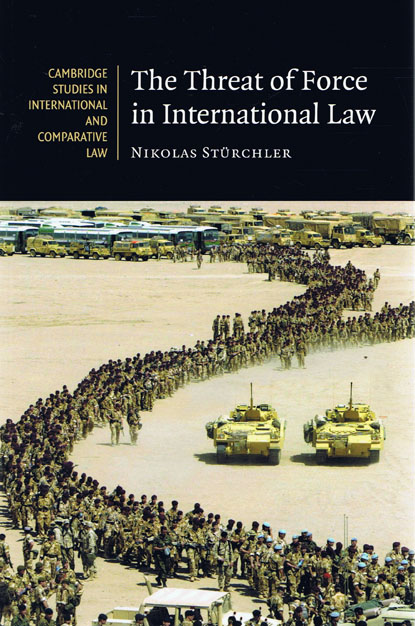
Threats of force are a common feature of international politics, advocated by some as an economical guarantee against the outbreak of war and condemned by others as a recipe for war. Article 2(4) of the United Nations Charter forbids states to use threats of force, yet the meaning of the prohibition is unclear. This book provides the first comprehensive appraisal of the no-threat principle: its origin, underlying rationale, theoretical implications, relevant jurisprudence, and how it has withstood the test of time from 1945 to the present.
Based on a systematic evaluation of state and United Nations practices, the book identifies what constitutes a threat of force and when its use is justified under the United Nations Charter. In so doing, it relates the no-threat principle to important concepts of the twentieth century, such as deterrence, escalation, crisis management, and what has been aptly described as the 'diplomacy of violence'.